

Spring Cleaning Your Car: Essential Maintenance Tips for Tacoma Drivers
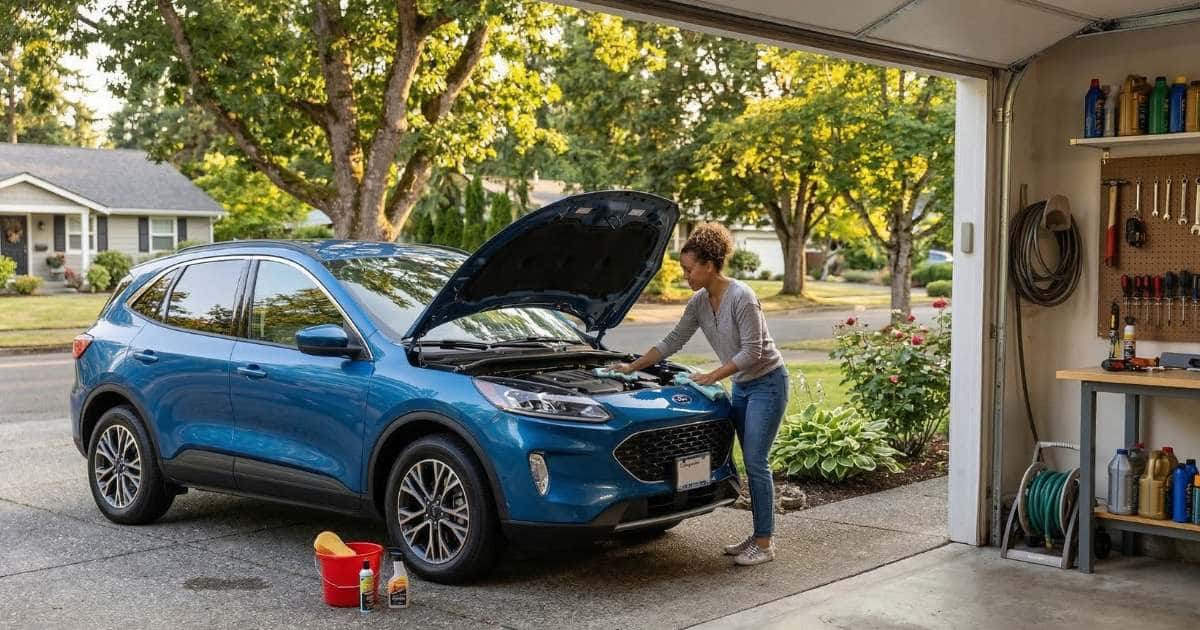
Spring in the Pacific Northwest brings relief from winter’s chill, but it also ushers in months of persistent rain and moisture that demand attention to your vehicle’s health. After a winter of fluctuating temperatures, occasional salt exposure, and wet roads, your car needs a thorough spring checkup to stay safe and reliable through Tacoma’s rainy season.
At CarHop of Tacoma, we help drivers maintain their vehicles year-round, and we understand the unique challenges our climate presents. Spring car maintenance Tacoma WA drivers focus on can prevent costly surprises down the road. If your vehicle’s repair needs are adding up, we can help you explore reliable used vehicles in Tacoma that fit your budget and situation.
Why Spring Car Maintenance Matters in Tacoma’s Climate
How Pacific Northwest Weather Affects Your Vehicle
Tacoma gets hit with steady annual rainfall, and that constant moisture does not just vanish when winter ends. Spring trades occasional freezing temperatures for steady dampness that works its way into brake systems, fogs up windshields, and can create mold problems inside your car.
Temperature swings between winter and spring put stress on your vehicle’s fluids, seals, and battery. Heavy rains wash road debris onto streets, creating hazards for your tires and undercarriage. The salt used occasionally in winter keeps eating away at brake components and metal surfaces well into spring.
Common Post-Winter Issues Tacoma Drivers Face
After winter, we regularly see vehicles with worn wiper blades that cannot handle spring downpours, brake systems weakened from constant wet-road driving, and tires lacking sufficient tread for safe rain traction. Moisture builds up inside from wet shoes and damp clothing, leading to odors and mold problems.
Batteries often struggle after a moisture-heavy winter. Fluid levels drop or become contaminated. These are not just minor annoyances. They are safety issues that need fixing before spring weather gets worse.
Wiper Blades and Visibility: Your Rainy Season Lifeline
Signs Your Wipers Need Replacement
Your wiper blades serve as your primary defense against Tacoma’s spring rain. Check them now before you’re struggling to see through streaks during a downpour.
Replace your wiper blades right away if you notice streaking across the windshield, skipping or bouncing instead of smooth contact, squeaking sounds during use, split or cracked rubber edges, or worn or missing rubber sections. Most wiper blades need replacement every 6 to 12 months in a wet climate like Tacoma, which makes spring the right time for this simple but important safety upgrade.
Windshield Care for Clear Visibility
A clean windshield works with quality wipers to maintain clear vision. Use proper glass cleaner to remove the film that accumulates from moisture, road spray, and debris. Clean both inside and out, because interior haze builds up faster than many drivers expect in damp conditions.
Top off your windshield washer fluid with a solution designed for rain and bug removal. Check for chips or cracks where water can get in and cause expansion damage. Small chips can often be fixed quickly, but waiting too long can turn them into a much more expensive replacement.
Brake System Inspection for Wet Road Safety
Checking Brake Pads and Rotors After Winter
Your brake system takes a beating on wet Tacoma roads, and winter moisture speeds up wear. Spring gives you the chance to assess damage and fix problems before they become more dangerous.
Check brake pad thickness, rotor condition, and brake fluid level. Look for worn pads, grooves, rust buildup, or warping on the rotors. If the fluid level is low, that may point to worn pads or even system leaks. Moisture contamination in brake fluid can also reduce effectiveness over time. If you are unsure what you are seeing, a professional inspection is the safer move.
Warning Signs of Brake Problems
Do not wait for complete brake failure. Grinding or squealing, vibration in the brake pedal or steering wheel, pulling to one side while braking, a soft or spongy pedal, and longer stopping distances all deserve immediate attention.
If you would like a second opinion on whether repair or replacement makes more sense for your situation, our team is happy to help you think through your options without pressure.
Tire Maintenance: Tread Depth and Traction for Rain
Tire Tread Inspection Checklist
Insufficient tire tread is a safety risk in dry conditions. In Tacoma’s spring rain, it can dramatically increase the risk of hydroplaning. Your tires should have enough tread depth to handle wet-weather traction with confidence.
Inspect each tire for uneven wear, cuts, bulges, embedded objects, sidewall damage, and signs of age. Uneven wear can signal alignment problems, incorrect tire pressure, or suspension issues that need professional attention. If you are starting to question your current vehicle’s overall reliability, you can also browse the used vehicle inventory at CarHop of Tacoma.
Pressure Adjustments for Seasonal Changes
Temperature changes between winter and spring affect tire pressure. Check it monthly as temperatures shift, aiming for the PSI listed on your driver’s door placard when the tires are cold. Underinflated tires reduce grip, increase stopping distance, and waste fuel. Overinflated tires reduce road contact and make the ride harsher. Both can shorten tire life.
Protecting Your Interior from Moisture and Mildew
Tacoma’s spring moisture does not stop at your doors. Water from wet shoes, damp clothes, and open windows creates ideal conditions for mildew growth, musty smells, and material damage inside your vehicle.
Use all-weather floor mats to catch moisture and protect carpeting. Remove and dry mats regularly, run your defroster with air conditioning to reduce humidity, crack windows when safely parked to improve airflow, and vacuum often to remove moisture-attracting debris. It also helps to inspect door seals, weather stripping, and other leak points before spring rain gets worse.
If you find mold or persistent musty odors, address them quickly. Mold spreads fast in damp conditions and can create both comfort and health concerns if left alone.
Essential Fluid and Battery Checks for Spring
Spring temperature changes affect your vehicle’s fluids and battery performance. A quick inspection now can help prevent roadside breakdowns later.
Check engine oil level and condition, verify coolant level and mixture, inspect brake fluid level and clarity, and review transmission and power steering fluid if your vehicle uses hydraulic steering. Top off windshield washer fluid as needed, and look for leaks any time a fluid seems significantly low.
For the battery, inspect terminals for corrosion, check the cables for cracks or damage, and make sure all connections are tight and secure. If the battery is more than three years old or seems weaker than normal, this is a good time to have it load-tested.
Your Complete Spring Maintenance Checklist for Tacoma Drivers
Use this quick-reference list to stay organized as you work through spring maintenance:
- Visibility and safety: inspect wiper blades, clean the windshield, top off washer fluid, inspect for chips, and test all lights
- Brake system: inspect pad thickness, check rotors, review brake fluid, and address unusual noises or pedal feel
- Tires: inspect tread depth, check pressure, look for damage, and watch for uneven wear
- Interior protection: dry floor mats, vacuum thoroughly, inspect for mildew, and check seals and weather stripping
- Fluids and battery: review oil, coolant, brake fluid, transmission fluid, power steering fluid, and battery connections
- Additional checks: inspect belts and hoses, test the horn, verify registration and insurance, and refresh emergency supplies
If any of these tasks feel outside your comfort zone, it is completely reasonable to bring in a professional. And if repair costs are starting to outweigh the value of your current vehicle, visit CarHop of Tacoma to learn more about flexible financing and practical used vehicle options.
From Maintenance to Your Next Vehicle, We’re Here
This spring car maintenance Tacoma WA drivers can handle themselves helps prevent bigger problems and keeps vehicles safer through the wettest months of the year. Work through the checklist step by step, and do not hesitate to get help for anything beyond your comfort level.
If you find yourself weighing repair costs against replacing your vehicle, or you are simply curious what might fit your budget, CarHop of Tacoma is here to help you explore your options at your own pace. A little preventive maintenance now can protect you, your passengers, and your investment all season long.
FAQs
Why is spring car maintenance important for Tacoma drivers?
Tacoma’s wet spring climate can speed up wear on wiper blades, brakes, tires, batteries, and interior materials. Spring maintenance helps catch those issues early before they turn into larger repairs or safety concerns during the rainy season.
What should Tacoma drivers check first after winter?
A strong place to start is with visibility and safety items like wiper blades, windshield condition, lights, tires, and brakes. After that, it helps to inspect fluids, battery health, and any moisture buildup inside the vehicle.
How do I know if my tires are still safe for Tacoma rain?
Check tread depth, inspect for uneven wear, and look for cuts, cracks, bulges, or embedded objects. In a rainy climate, healthy tread is especially important for reducing hydroplaning risk and maintaining traction on wet roads.
Can interior moisture really become a major problem?
Yes. Trapped moisture can lead to mildew, mold, unpleasant odors, and damage to carpeting or upholstery. Drying floor mats, improving ventilation, and checking for leaks can help prevent those issues from growing.
Where can I find reliable used vehicles in Tacoma if repairs are adding up?
CarHop of Tacoma offers used vehicles and flexible financing options for local drivers in a variety of credit situations. If repair costs are stacking up, exploring dependable used inventory can be a practical next step.
0 comment(s) so far on Spring Cleaning Your Car: Essential Maintenance Tips for Tacoma Drivers